
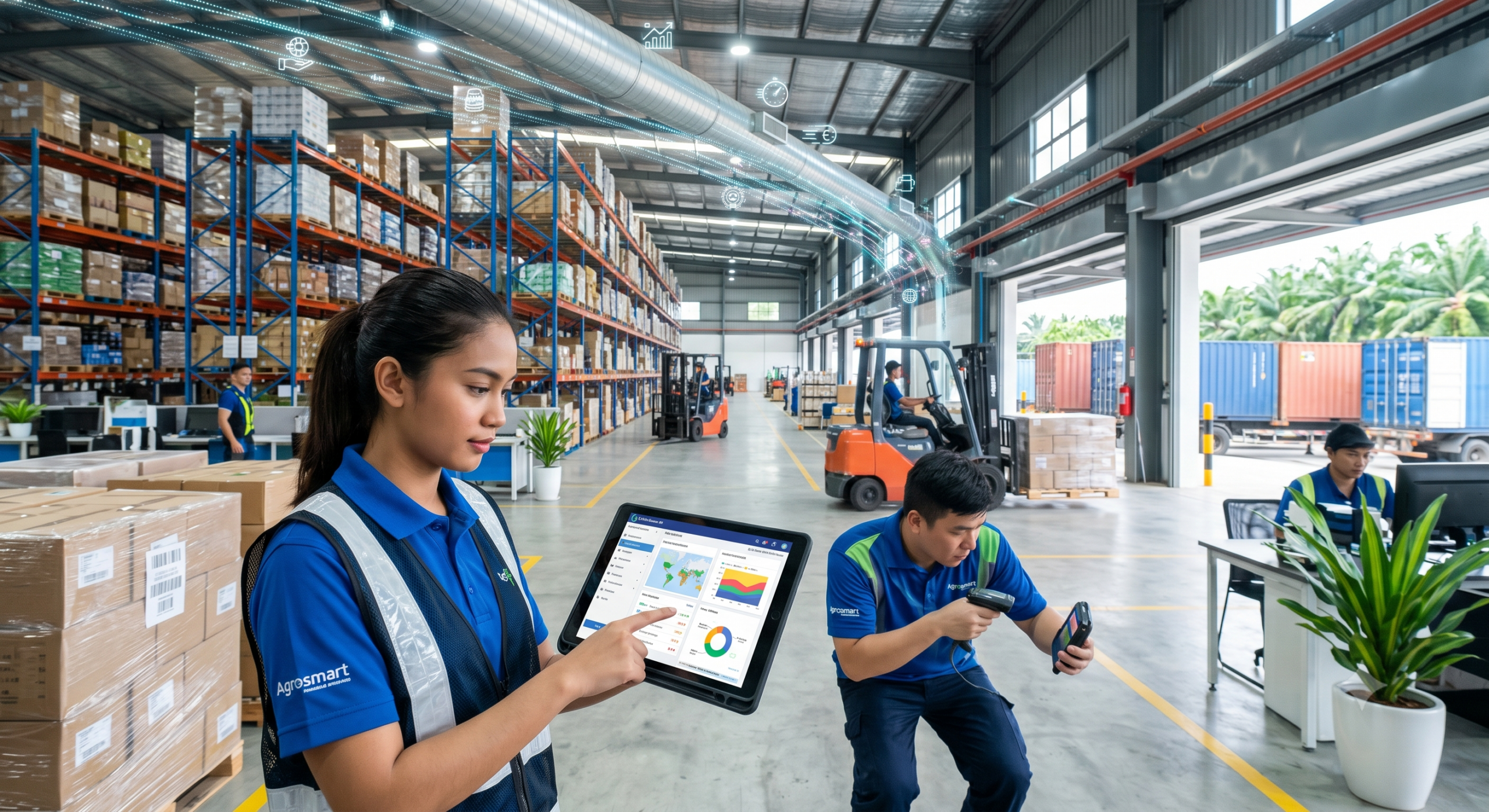
Why Your Business Needs a Warehouse Management System Malaysia
In today’s fast-moving trade environment, efficiency isn’t just a competitive advantage — it’s a survival strategy. Many Malaysian businesses still rely on manual spreadsheets or outdated inventory methods, unaware of how much time, money, and data accuracy they lose daily. As supply chains grow more complex, having a reliable warehouse management system in Malaysia is no longer an option — it’s a necessity for growth, accuracy, and agility.
Understanding What A Warehouse Management System Really Does
A warehouse management system in Malaysia is a digital backbone that streamlines the movement of goods within a warehouse — from receiving and storage to picking, packing, and shipping. It connects every part of the process, giving businesses real-time visibility into inventory levels, staff performance, and operational bottlenecks.
Unlike basic inventory software, a robust warehouse management system in Malaysia integrates seamlessly with accounting, e-commerce, and enterprise systems, ensuring that every unit of stock is accounted for and traceable. This level of integration reduces errors, improves speed, and ultimately strengthens customer satisfaction.
Why Businesses In Malaysia Are Adopting It Now
Malaysia’s logistics and manufacturing sectors have evolved rapidly over the past decade. With growing e-commerce demand, international trade, and just-in-time production requirements, manual inventory management simply cannot keep pace.
By implementing a warehouse management system in Malaysia, companies can optimise warehouse layouts, automate stock tracking, and reduce fulfilment time. This doesn’t just improve productivity — it gives businesses the data they need to make smarter purchasing and supply chain decisions.
In addition, Malaysia’s push towards digitalisation, under initiatives such as Industry 4.0 and the National eCommerce Strategic Roadmap, has encouraged more businesses to embrace intelligent systems that boost competitiveness both locally and globally.
Key Benefits Of Implementing A Modern WMS
- Improved Accuracy And Visibility
A warehouse management system in Malaysia eliminates guesswork. Every movement of stock is scanned, logged, and traceable in real time, ensuring that inventory data is accurate across all departments. - Cost Efficiency
Automating manual tasks minimises human error, prevents overstocking, and reduces the cost of misplaced goods. With clear data on storage and demand, businesses can allocate resources more efficiently. - Faster Order Fulfilment
Speed is everything in customer service. By guiding warehouse staff through optimised picking routes and automating labelling and dispatch processes, the system helps orders reach customers faster and with fewer mistakes. - Enhanced Scalability
As your business grows, so does your operational complexity. A scalable warehouse management system in Malaysia adapts to handle higher order volumes, multiple warehouse locations, and even cross-border logistics. - Data-Driven Decision-Making
Real-time analytics empower management teams to identify trends, forecast demand, and adjust strategies quickly. These insights enable better financial control and long-term planning.
Challenges Without A Warehouse Management System
Without a digital framework, warehouses face problems that often go unnoticed until they cause serious losses — delayed shipments, misplaced inventory, or miscommunication between departments. Over time, these inefficiencies can affect customer trust and profitability.
Relying on spreadsheets may seem cheaper at first, but as transaction volumes grow, errors multiply. We’ve seen businesses spend countless hours rectifying stock mismatches and delivery mistakes that could have been prevented with a proper warehouse management system in Malaysia in place.
How We View Warehouse Digitalisation
As professionals working closely with supply chain and warehouse operators, we’ve observed that successful digital transformation begins with mindset. Adopting a warehouse management system in Malaysia is not merely a software upgrade — it’s an operational shift that changes how your business communicates, measures, and scales.
We encourage companies to treat this as an investment in long-term efficiency. Beyond cost savings, the system creates a data ecosystem that supports sustainability goals, regulatory compliance, and continuous improvement.
Conclusion: Preparing For The Future Of Logistics
The Malaysian business landscape is shifting rapidly. Customers expect transparency, speed, and consistency. To meet these expectations, digital tools must form the foundation of every logistics operation.
A warehouse management system in Malaysia gives businesses the control, visibility, and confidence needed to stay competitive in a demanding market. By embracing this technology today, we position ourselves — and our clients — to thrive in the future of intelligent logistics.