
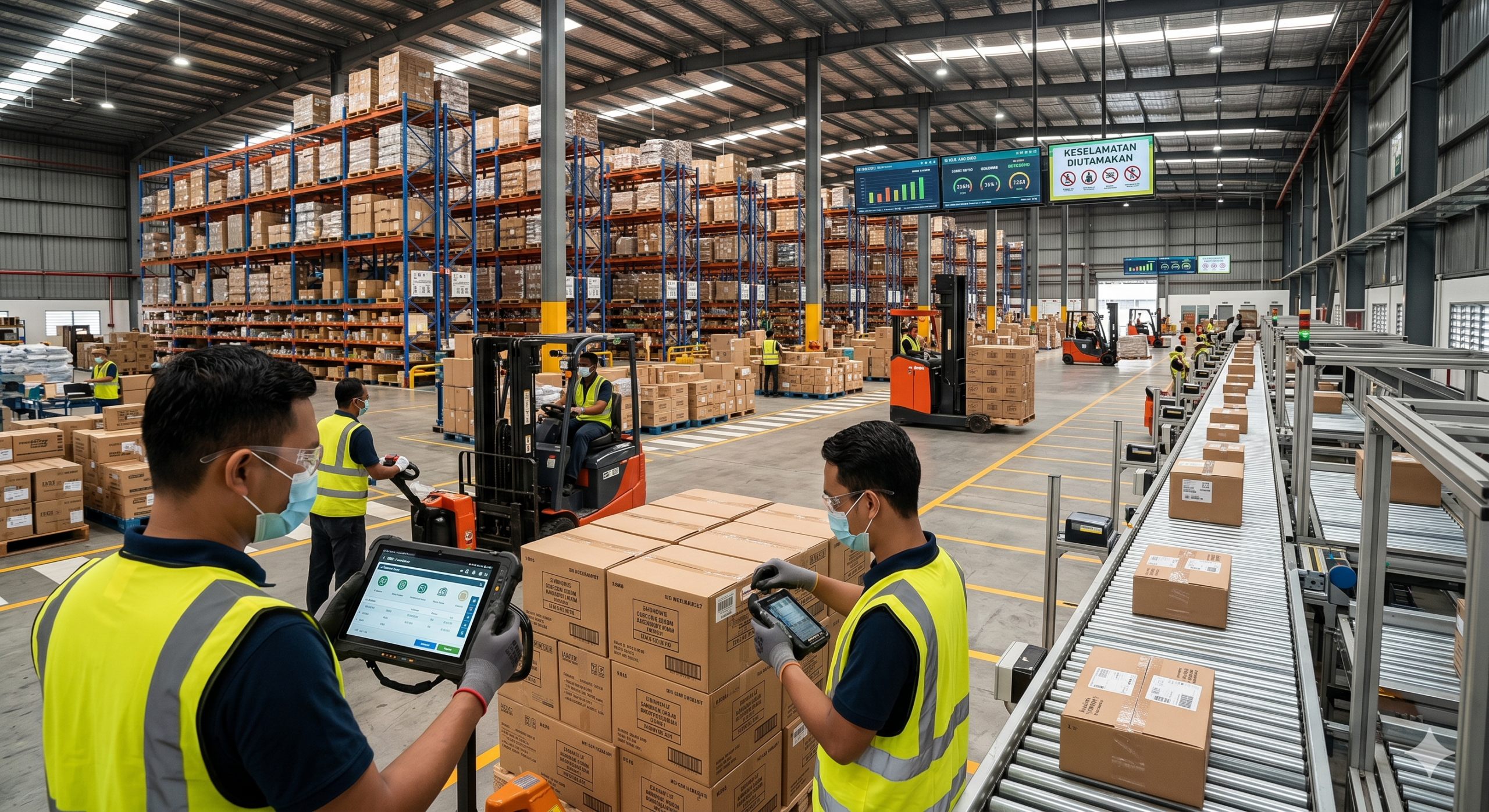
Top Benefits of Using Warehouse Management System Malaysia in Your Business
Running a business that relies on inventory, logistics, and supply chain efficiency can be challenging — especially in today’s fast-moving market. From managing orders to tracking stock levels and ensuring timely deliveries, one small error can lead to costly consequences. That’s why many forward-thinking companies are turning to a warehouse management system in Malaysia to streamline operations, boost accuracy, and improve overall productivity.
Understanding How a Warehouse Management System Works
A warehouse management system in Malaysia is a digital solution designed to oversee, control, and optimise warehouse operations. It helps businesses manage daily activities such as receiving, storing, picking, packing, and shipping goods. Unlike traditional manual tracking, this system integrates real-time data and automation tools to reduce human errors and maximise efficiency.
At its core, the system provides visibility — we can see where every product is located, its movement history, and its demand pattern. This transparency is vital for making informed decisions and maintaining a healthy supply chain.
Improved Accuracy and Inventory Control
Manual data entry often leads to stock discrepancies, misplaced items, and miscommunication between teams. With a warehouse management system in Malaysia, businesses can eliminate these issues through real-time tracking and barcode scanning. This means we can monitor stock levels instantly, ensuring accuracy in every step — from goods receipt to dispatch.
The system automatically updates inventory counts, preventing overstocking or stockouts. For companies handling thousands of SKUs daily, this accuracy isn’t just convenient — it’s essential for maintaining customer trust and operational consistency.
Increased Productivity and Efficiency
By automating repetitive tasks, a warehouse management system in Malaysia enables teams to work smarter, not harder. It reduces the time spent on manual checks and paperwork, allowing staff to focus on value-added activities.
For instance, automated picking routes can shorten travel time within the warehouse, while digital dashboards help supervisors monitor performance in real time. This leads to faster order fulfilment, reduced labour costs, and an overall boost in warehouse throughput.
Enhanced Visibility and Real-Time Data
Data is one of the most powerful assets in modern business. With a warehouse management system in Malaysia, we gain complete visibility over every process — from incoming shipments to outgoing orders. Managers can track performance metrics, identify bottlenecks, and adjust workflows instantly.
This level of insight helps us make data-driven decisions, forecast demand more accurately, and respond quickly to market changes. In industries like manufacturing, retail, and e-commerce, such responsiveness can make a major difference in profitability and customer satisfaction.
Better Space Utilisation and Layout Planning
Every square foot in a warehouse carries value. Poor layout planning often leads to wasted space and slower operations. A warehouse management system in Malaysia analyses storage patterns and product movements to optimise space usage.
It can suggest better slotting strategies — for example, placing high-turnover items near dispatch areas — which minimises travel time and maximises available storage capacity. Over time, this translates into significant cost savings and improved workflow efficiency.
Improved Customer Satisfaction
Ultimately, every improvement within the warehouse impacts the end customer. A warehouse management system in Malaysia ensures orders are fulfilled faster, errors are minimised, and delivery times are met consistently. When customers receive their products accurately and on schedule, their trust in the brand strengthens. Moreover, real-time tracking enables better communication with clients regarding order status, creating transparency that enhances the overall customer experience.
Scalability for Business Growth
As businesses expand, manual warehouse management can no longer keep pace with the rising volume of operations. A warehouse management system in Malaysia is built to scale. It can easily handle growing inventories, multiple warehouse locations, and even complex supply chains without compromising on efficiency. This scalability makes it a future-ready investment — one that grows with the business and continues to deliver value over time.
Conclusion
Implementing a warehouse management system in Malaysia is more than a technological upgrade — it’s a strategic move towards greater control, visibility, and long-term success. By automating routine tasks, enhancing accuracy, and providing valuable insights, such systems empower us to stay competitive in a rapidly evolving business landscape.
In a world where every second and every square metre counts, a smart warehouse management approach is not just an advantage — it’s a necessity for sustainable growth.