
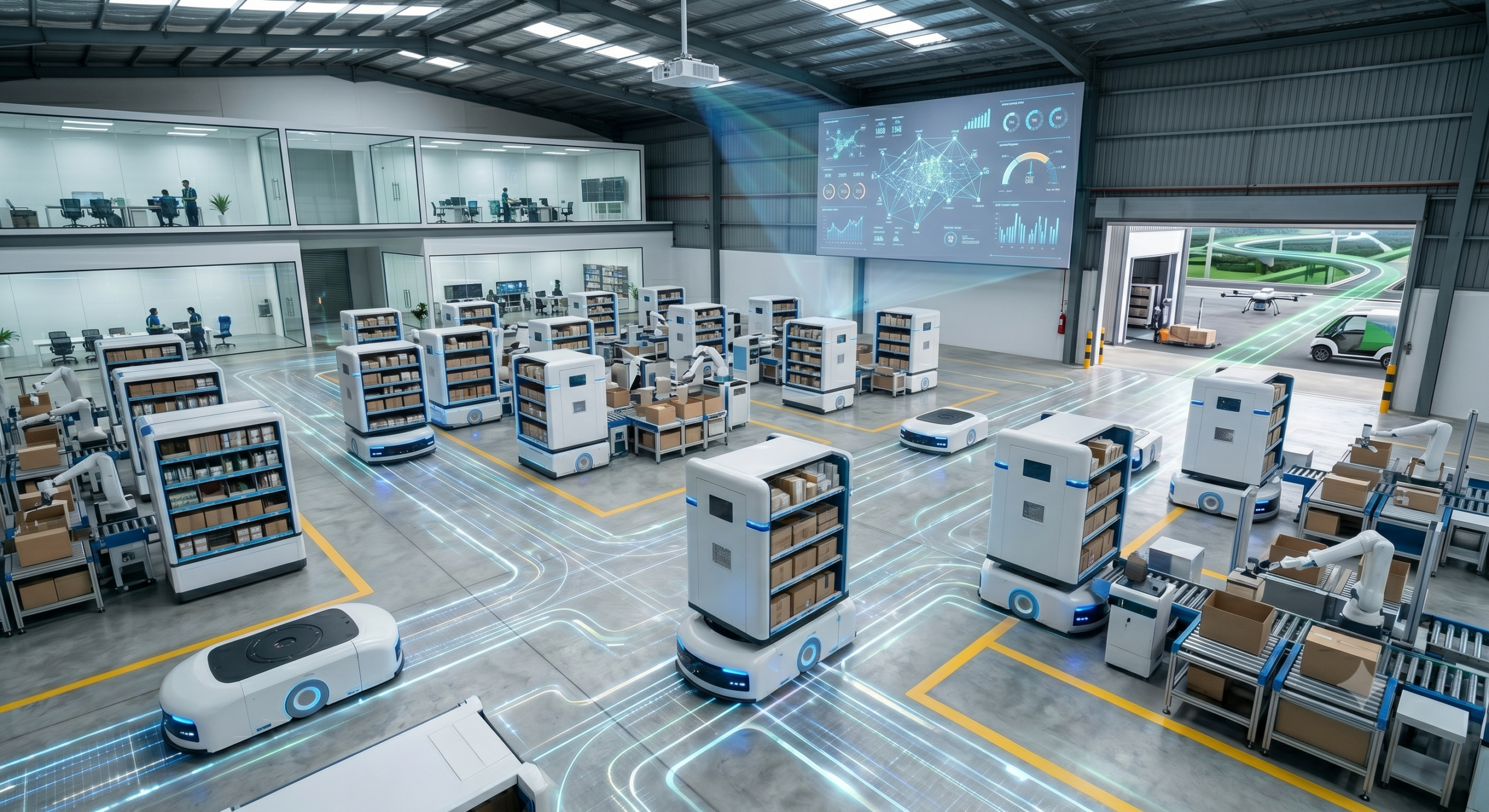
Implementing Warehouse Management System Malaysia for Better Inventory Control
Inventory is the heartbeat of every supply chain, yet managing it efficiently remains one of the toughest challenges many Malaysian businesses face today. As operations scale and customer expectations grow, manual tracking or disconnected systems can quickly become barriers to productivity. That’s why implementing a warehouse management system in Malaysia has become not just a technological upgrade, but a strategic move towards smarter, data-driven inventory control.
Why Inventory Control Defines Business Performance
Inventory control is not simply about knowing what sits on the shelves. It’s about achieving balance — ensuring the right stock levels, at the right time, in the right location. Without this balance, businesses face stockouts, over-ordering, and increased carrying costs. At our organisation, we’ve seen how even small inefficiencies can snowball into larger operational losses. By leveraging a warehouse management system in Malaysia, businesses can turn this balance into a measurable advantage, transforming warehouses from passive storage spaces into active, intelligent fulfilment hubs.
From Visibility To Accuracy — The Real Power Behind Digital Control
One of the biggest benefits of adopting a warehouse management system in Malaysia is real-time visibility. Instead of relying on outdated spreadsheets or periodic stock counts, we gain a clear, up-to-the-minute view of every item’s movement. This digital visibility reduces errors caused by manual data entry and enhances traceability across multiple warehouse locations.
Moreover, automated barcode or RFID scanning ensures each transaction is recorded instantly, cutting human error to near zero. When accuracy rises, so does trust — between departments, suppliers, and customers alike. We’ve found that accurate data is not only an operational asset but also a foundation for stronger decision-making across procurement, logistics, and sales.
The Cost Perspective — Efficiency That Pays For Itself
Many organisations hesitate to implement a warehouse management system in Malaysia due to perceived costs. Yet, the reality is that inefficiency costs far more. Labour hours lost to manual tasks, misplaced items, or inaccurate order fulfilment directly impact profitability.
By automating processes such as picking, packing, and stock replenishment, we’ve seen significant reductions in wasted time and materials. A robust warehouse management platform helps optimise storage layouts and product flow, which in turn lowers overhead costs. Over time, this efficiency pays for itself through faster order cycles, fewer errors, and happier customers — all key indicators of sustainable growth.
Empowering Teams With Data-Driven Decisions
A truly effective inventory control system empowers people as much as it empowers operations. Implementing a warehouse management system in Malaysia means teams no longer need to depend on guesswork or fragmented reports. With dashboards and analytics at their fingertips, warehouse managers can identify demand trends, seasonal fluctuations, and even supplier delays before they disrupt operations.
We’ve experienced how this data-driven culture transforms decision-making. Instead of reacting to issues, our teams can anticipate and act proactively — reducing downtime, improving lead times, and supporting better collaboration between procurement and logistics units.
Sustainability And Scalability — Future-Proofing Inventory Operations
Sustainability is no longer optional; it’s an operational expectation. A warehouse management system in Malaysia plays a crucial role in reducing waste — from minimising overstocking to cutting unnecessary transportation between facilities. Automated systems ensure we use storage space efficiently and reduce paper-based processes, supporting both environmental and cost-saving goals.
Equally important is scalability. As Malaysian businesses expand regionally or globally, manual inventory systems struggle to keep pace. A modern WMS grows with the organisation — integrating with ERP and e-commerce systems, supporting multiple warehouse sites, and adapting to new product lines without requiring complete overhauls.
A Smarter Way Forward
At its core, implementing a warehouse management system in Malaysia is about gaining control — control over movement, cost, and information. It’s a strategic investment that reshapes how we view the warehouse: not as a static storage area, but as an intelligent ecosystem that drives business agility and customer satisfaction.
By strengthening inventory control, we create a foundation for consistent service, leaner operations, and better financial visibility. As Malaysia continues to position itself as a regional logistics hub, adopting advanced warehouse management technologies will no longer be a competitive advantage — it will be a necessity for long-term resilience and success.